Older homes have a way of teaching patience. Absolutely nothing is perfectly square, really couple of elements match current sizing requirements, and every repair service discovers a decision that is component architectural, component cosmetic, and component useful compromise. Garage doors are an excellent instance. In a more recent home, a service technician can commonly detect a problem, swap standardized parts, and be done in a few hours. In an older home, the very same call may include drooping framing, out-of-date track geometry, weak trim, nonstandard headroom, or a garage flooring that worked out sufficient to throw the entire door out of alignment.
That is why residential garage door repair in older homes ought to never ever start with the door alone. The door is only one relocating part in a little system that includes framework, springtimes, tracks, rollers, weather condition seals, hardware, and commonly a garage door opener that was mounted long after the structure itself. If one aspect has shifted in time, the rest usually make up up until they cannot.
I have seen century homes with carriage-style doors held on retrofitted track systems from the 1980s, ranch garages from the 1950s with undersized headers, and removed garages with piece motion so severe that the owner thought the door was stopping working when the real issue was the opening itself. The very best repair service approach is seldom the fastest one. It is the one that respects the age of the building, addresses safety first, and prevents creating a fresh issue while solving the old one.
Why older garages act differently
A garage opening in an older house was usually constructed around a various collection of assumptions. Vehicles were smaller sized. Insulation requirements were reduced. Automatic openers were not always part of the initial plan. Some garages were transformed from carriage houses or barns, after that adjusted over the years with piecemeal hardware.
That background matters. The tracks may be placed to mounting that has dried out, broken, or twisted. The piece may incline in more than one direction. The side area required for appropriate track and spring setup may be tighter than current installment criteria favor. Even the jamb product can complicate repair. Old-growth lumber tends to hold screws incredibly well, however if there has actually been moisture direct exposure around the opening, you might likewise discover soft places hidden under layers of paint and trim.
When people search for garage door repair, they often anticipate the problem to be neighborhood and mechanical, something like a broken springtime or a loud roller. In older homes, those issues prevail, but they are commonly signs. A spring may wear out early since the door weight enhanced after waterlogged timber soaked up moisture. Rollers may shred since the tracks are slightly pinched by activity in the framework. The garage door opener may strain due to the fact that the door has become unbalanced, not since the motor itself is bad.
The initial evaluation must focus on the opening, not simply the hardware
Before purchasing components or going over a garage door setup, it aids to check the whole opening with a crucial eye. This is where older homes separate regular solution from informed repair.
Start with the disclose around the closed door. Uneven spaces at the top edges typically narrate. If one side is tighter than the other, the tracks may be out of plumb, the jamb may have changed, or the door areas might be racked. Daylight at the bottom seal can point to floor settlement, but it can additionally show a door that no more trips equally. A bowing leading area might signify an absent or small strut, specifically on older wood or uninsulated steel doors.
Then consider the framing. Hairline fractures around bolts, smashed timber fiber behind bracket places, and patched screw holes all recommend repetitive change over the years. That typically implies the system has been going after placement problems for a long period of time. If the installing factors are jeopardized, even a proper track adjustment may not hold.
The flooring matters greater than the majority of property owners realize. A garage door does not require a completely level piece to work well, but it does require foreseeable geometry. In older removed garages, I typically see front piece sides that have actually dropped or broken away. The proprietor changes bottom seals again and again, but the problem is not the rubber. It is the floor account. A custom retainer, a limit, or selective concrete repair work might fix greater than one more round of door adjustments.
Springs are typically the genuine pivot point
A huge share of solution call older homes finish at the springtimes. Occasionally it is evident, such as a snapped torsion springtime. Sometimes the door still relocates, however it really feels hefty, jerky, or loud, and the opener has actually begun reversing or stalling.
Garage door spring replacement is among those work where experience issues due to the fact that the springtime itself is just part of the formula. Older doors, particularly timber doors or doors with included layers of insulation, might not match the original springtime sizing anymore. Replacing a damaged spring with an aesthetically similar part is not nearly enough. The springtime has to be chosen for the present door weight, height, drum size, and track arrangement. Otherwise, the door might remain practically operational yet still be hazardous or tough on the opener.
This comes up often after proprietors improve an old garage piecemeal. They add insulation panels, strengthen an area, repaint the door a number of times for many years, or change one damaged panel with a heavier product. Tiny modifications accumulate. By the time a spring breaks, the actual door weight might be really various from what the original installer balanced.
An effectively balanced door must stay near mid-travel when disconnected from the opener, with only minor drift. On older homes, I treat that equilibrium examination as necessary. If the door races down, skyrockets, or hangs awkwardly at one-third open, the system is telling you not to rely on the previous setup.
When the tracks are the problem, not the door
Track issues in older garages are seldom dramatic in the beginning. The door may emphasize one area, generate a scratching audio near the contour, or leave fine steel dust near the rollers. House owners often assume the solution is lubrication, yet lubrication can not fix geometry.
I have seen tracks placed on piled washers to make up for twisted jambs, straight angles secured to framing that was never ever created for that lots, and bent lower track sections that were hammered back simply enough to maintain points relocating. Those are short-term solutions at ideal. If the tracks are not parallel, degree where they require to be, and securely mounted, every various other element pays the price.
Older homes also existing headroom difficulties. A modern torsion arrangement might fit, however only with mindful preparing around ceiling joists, reduced beam of lights, or old storage space platforms. Sometimes, a low-headroom conversion is the appropriate response. In others, the much better strategy is to maintain the existing track style while changing the worn parts with effectively matched equipment. Great garage door repair is not concerning compeling a conventional set into a nonstandard space. It has to do with picking a configuration that collaborates with the real building.
Wood doors are worthy of a various fixing mindset
A great deal of older homes still have timber garage doors, and several of them deserve maintaining. They may match historic trim details, carry much better proportions than lots of stock substitutes, or merely suit your home in a way a common printed steel door never will.
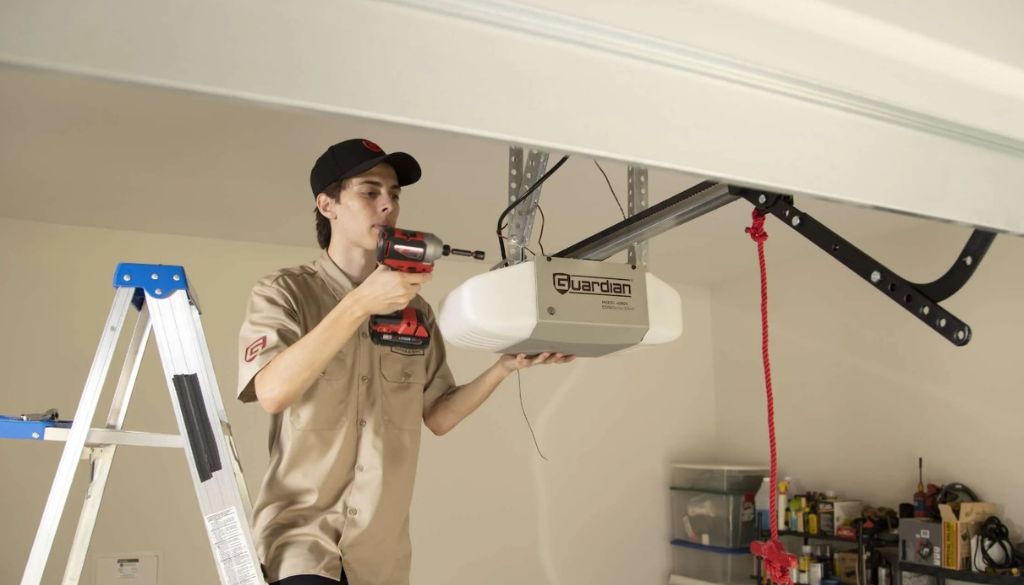
Wood transforms the fixing method. It takes in dampness, swells seasonally, and can twist sufficient to impact roller traveling. Bolt retention varies from one section to another, specifically if previous fixings filled old openings with putty or oversized screws. A wood stile that looks solid from the face may be weak at the joint attachment point.
This is where trade-offs materialize. If the timber door is structurally sound and the concerns are isolated to equipment, weather condition seal, and equilibrium, repair service frequently makes good sense. If the lower rail is decayed, area joints are opening up, and the door has actually acquired enough weight to strain the springtimes and opener, conservation can end up being expensive rapidly. Sometimes careful restoring is warranted. In some cases substitute is the responsible choice.
For property owners trying to determine, I usually frame it by doing this: if the door can be made safe, balanced, and weather-resistant without turning into a personalized millwork job, keep it. If every repair work depends upon enhancing failing wood simply to support brand-new equipment, a new door will likely perform much better and set you back much less over the following decade.
Old openers commonly fall short for factors that are not electrical
A tired garage door opener gets criticized for plenty of mechanical issues. The owner states the opener hums, struggles, reverses unexpectedly, or seems louder than it made use of to. In some cases the opener is genuinely worn. In older homes, though, many opener complaints begin with door resistance.
Openers are made to assist a properly balanced door, not drag a hesitant one through poor tracks and weak springtimes. If the door has ended up being heavy or misaligned, the opener makes up up until it can not. Drive gears wear early. Chains loosen. Rail add-ons draw on framing that may currently be jeopardized. Safety and security settings obtain readjusted past where they must be, which is where an ease trouble starts edging right into a safety and security problem.
That is why I prefer to examine the opener after the door itself is fixed. Once the springs are right, the rollers relocate openly, and the tracks are established properly, you obtain a truthful reading of the opener's condition. Often the opener still has years left. Various other times, particularly with very old screw-drive or chain-drive devices, the smarter move is replacement.
A brand-new garage door opener can likewise solve useful aggravations in older homes. Quieter procedure matters when the garage sits listed below bed rooms or next to a completed area. Battery back-up issues in areas with frequent blackouts. Much better security sensors help in garages where the flooring or framework makes perfect positioning challenging. That stated, a premium opener can not rescue a terribly balanced door. It simply experiences more politely.
When partial repair work makes sense, and when full replacement is smarter
Not every aging door requires total replacement. Some need regimented, targeted work. The obstacle is understanding when the system has crossed the line from maintainable to inefficient.
These are the conditions that usually push the decision toward a full garage door installation rather than recurring jumble:
The door sections are structurally compromised, not simply cosmetically worn. The mounting around the opening needs adequate modification that all brand-new hardware should be fitted at once. The springtime and track configuration is outdated, mismatched, or unsafe by current standards. Energy loss, water intrusion, and noise are chronic sufficient that brand-new seals alone will not help. Previous repair services have actually created a mix of inappropriate parts that are hard to service reliably.On the various other hand, an audio door with worn rollers, aging hinges, frayed cable televisions, local garage door maintenance services exhausted perimeter seal, and an undersized strut is usually a great repair work candidate. A thoughtful solution telephone call can restore years of trustworthy use without forcing replacement.
This is where the distinction in between residential garage door repair and commercial garage door repair should be clear, despite the fact that the expressions sometimes overlap in on the internet searches. Industrial garage door repair typically handles high-cycle operation, much heavier hardware, and extra standardized solution concerns fixated uptime. Residential operate in older homes is much more architectural and condition-based. The speed is different, the tolerances can be trickier, and aesthetics typically matter as much as mechanics.
The equipment information that make an outsized difference
Small parts decide whether an old garage door feels smooth or troublesome. Rollers are an example. Worn steel rollers can rattle through aging tracks and telegraph noise via old framework. Updating to high quality nylon rollers with appropriate bearings typically makes an older system feel substantially better, especially in affixed garages. It is not showy, however it is among the most noticeable improvements per dollar when the remainder of the system remains in functional condition.
Hinges matter also. Sloppy joint knuckles or elongated placing holes allow sections move under load. That movement looks small till you see the roller stems going into the track at a minor angle. Change sufficient put on hinges on an older sectional door and you frequently remove the odd intermittent sounds the property owner can never reproduce on demand.
Bottom seal retainers and side climate stripping should have even more focus than they get. In older openings, the best seal is often not the one that can be found in package with the brand-new door. It is the one fitted to the actual irregularities of the opening. I have actually trimmed and shimmed climate seal on old garages where the jambs were out sufficient that a criterion install would certainly have left visible voids. Great sealing in an older home is usually customized in small means, even if the hardware is standard.
Safety ought to assist every decision
The most unsafe mistake in older garage work is normalizing a door that has actually always been a little difficult. Homeowners get utilized to raising with added effort, stepping around a door that goes down too quick, or disregarding a lower brace that looks rustic because it has actually looked in this way for several years. Knowledge is not the like safety.
Springs and cables run under severe stress. Bottom brackets, lift drums, and springtime anchor points ought to never ever be dealt with delicately. In older homes, concealed damage in the installing framework adds one more layer of threat. A brace secured right into damaged jamb product can stop working also if the hardware itself looks fine.
There is likewise the concern of reversal and picking up. If the opener does not dependably reverse under resistance, or if the image eyes are misaligned and intermittently bypassed by routine, the system should be addressed immediately. Older garages are often where I see makeshift workarounds, such as sensing units placed at weird angles to clear obstacles or opener force settings turned up to bulldoze through resistance. Those are alerting indications, not solutions.
A practical maintenance regimen for older homes
Preventive treatment matters a lot more in an older garage since the system is generally dealing with tighter margins. A couple of simple behaviors capture issues before they become expensive.
- Watch and listen to the door through one complete cycle every month. Keep tracks clear, however do not grease the track surface area itself. Test door equilibrium regularly by separating the opener when it is secure to do so. Inspect the bottom seal and border weather removing at the beginning of damp and cool seasons. Schedule expert solution when motion, sound, or effort changes noticeably.
That brief regimen does not replace specialist examination, however it protects against one of the most common kind of overlook, which is waiting up until the door is completely unusable. In older homes, postponed solution has a tendency to increase the final expense. A used roller becomes a bent joint, after that a harmed track, then an opener complaint, and by then the proprietor thinks the whole system fell short at once.
Repair methods that respect the house
The finest service older buildings never appears like a fight in between brand-new equipment and old building and construction. It looks thought about. Fasteners are positioned where the framing will certainly sustain them. Trim is removed and reinstalled cleanly when needed as opposed to being squashed into place. Openers are installed with reinforcement that suits the structure, not whatever strap took place to be on the truck. Replacement parts are chosen for compatibility, not convenience.
Sometimes the right technique is conventional. Protect the existing door, reconstruct the powerlessness, rebalance the springtimes, boost sealing, and leave the character undamaged. Occasionally the appropriate technique is to stop spending cash on a falling short assembly and install a contemporary protected door with correctly crafted hardware. Both strategies can be specialist and sensible if they are based on the structure's condition as opposed to habit.
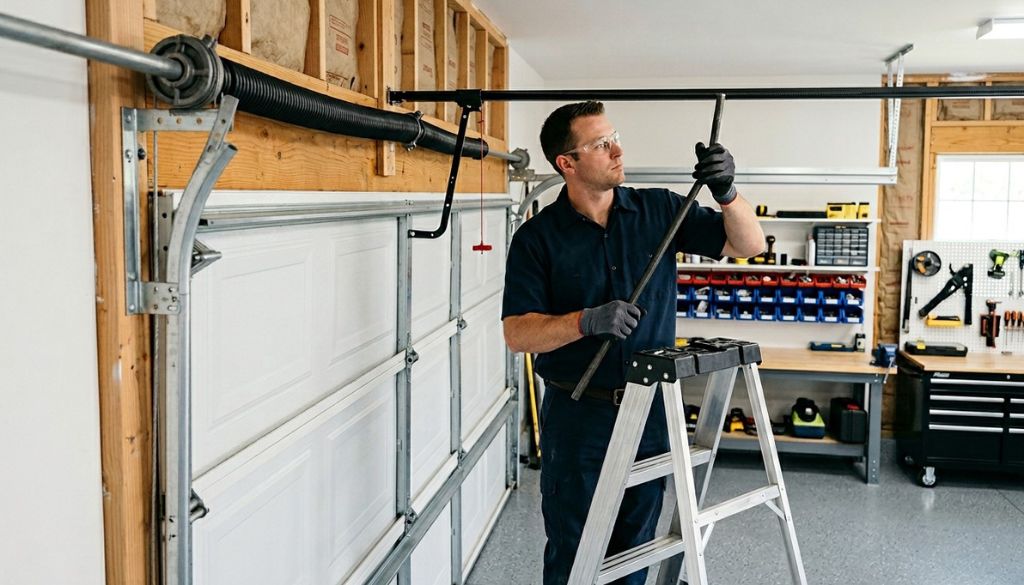
Older homes award judgment. They penalize rushed assumptions. A garage door that sticks, pounds, or strains in an old opening is typically providing valuable details, not simply making sounds. Review the opening, not simply the symptom, and the fixing path ends up being much clearer.