A garage door motor usually provides warning indicators long prior to it quits entirely. That is excellent information, because the earliest signs and symptoms are often little adequate to capture throughout a normal stroll past the garage, a fast separation for job, or a weekend break check before storm season. In places like the Gold Coast, those warning indicators matter much more. A garage door is not simply a comfort. It is a huge opening in the house envelope, and Queensland support treats it as one of the weak points that can fail under serious weather condition if it is not appropriately rated, kept, and secured.
That makes very early attention rewarding for two reasons simultaneously. Initially, it aids you stay clear of being entraped by a door that quits midway, stress the opener, or rejects to respond when you require it most. Second, it helps secure the house itself. When a garage door fails in a cyclone or extreme storm, the damage is not restricted to the door panel or the opener. Queensland government materials note that failing can cause damage in surrounding walls, ceilings, and roofing cladding. That is a really expensive chain reaction that frequently begins with something homeowners could have noticed weeks earlier.
The electric motor seldom fails without warning
The garage door electric motor is normally condemned first when a door ends up being loud, jerky, or unreliable, yet the electric motor is just one component of a broader system. Tracks, springs, cords, rollers, joints, sensors, limitations, and the door balance all influence just how difficult the opener has to function. When one item starts to wander out of specification, the electric motor frequently reveals it before anything else does.
A healthy and balanced opener must really feel predictable. It should begin cleanly, relocate the door with constant initiative, and quit where it is meant to quit. It needs to not need to fight the door into position. If the unit has begun to hum without moving, pause partway, or reverse for no obvious factor, the trouble might not be the motor alone. It may be the opener informing you the door has actually become larger than it should be, or that a component is binding. That distinction matters, since many property owners lose time assuming they require a brand-new electric motor when the genuine issue is mechanical resistance elsewhere in the system.
I have seen doors where a home owner reported a "dead motor," only for the actual mistake to be a dry roller, a frayed cable television, or a door that was no longer balanced. The opener was doing exactly what it should do, struggling against a load it was never meant to bring for long. Catching that early can turn what seems like a major failure into a simple service visit.
Sounds that ought to not be ignored
Noise is typically the initial clue. A garage door electric motor that suddenly appears harsher than usual should have interest, even if the door still opens. Grinding, scuffing, rattling, and a strained hum are all worth noticing. So is a modification in rhythm. Some motors establish a shrill whine as internal components wear, while others make a much deeper mechanical groan because the system is under even more lots than normal.
An excellent rule is simple. If you can inform the door has gotten louder over the last couple of weeks, something has transformed. The change might be small, such as an absence of lubrication on moving parts. It may be more severe, like worn gears in the opener or a track that has moved out of positioning. Either way, the sound is not the issue itself, it is the clue.
Homeowners often get made use of to a noisy door due to the fact that it still "jobs." That practice is understandable, yet risky. Noise is just one of minority early warnings the system provides you prior to a malfunction occurs at the worst feasible time. If the door is also expected to aid secure the home before extreme climate, sound should be dealt with as more than an aggravation. It can be the first indicator that the motor is making up for a larger issue.
Slow movement normally indicates extra strain
A garage door that starts moving more slowly than normal is very easy to dismiss till the delay ends up being noticeable. Yet slow traveling is among the clearest signs of pressure. It can point to an electric motor that is aging, but it can likewise indicate inadequate equilibrium, weary springtimes, weak rollers, filthy tracks, or an opener setting that no longer matches the door's weight.
The important point is not to guess also swiftly. If the door utilized to open up in a smooth, consistent movement and now drags for a couple of secs before it truly starts, that additional effort is telling you something. A motor under strain may still work for months, however every cycle can add wear. That is exactly how a minor fault comes to be an emergency situation repair work call.
There is also a seasonal angle right here that issues on the Gold Coast. Prior to tornado season, lots of homeowners examine batteries, clear seamless gutters, and safe outside products, however they do not constantly examine the garage door a number of times under typical problems. That is an error. The opener needs to be inspected while the weather is tranquil, not after a severe caution has actually already been released. If the door is slow-moving in fair weather condition, it is not most likely to boost when wind, particles, and power disturbances get in the picture.
Intermittent response is a red flag
One of one of the most aggravating motor problems is variance. The remote jobs when, after that not again. The wall surface switch responds after a delay. The opener stops partway and after that services the next try. Property owners typically assume this is just a remote battery or a little electric trait, and occasionally it is. But repeated disparity is an indication that should have a closer look.
A periodic garage door electric motor might be battling with worn internal components, loosened connections, sensor problem, or a power supply issue. It can likewise be reacting to a door that is harder to move than it needs to be. The obstacle for home owners is that these signs and symptoms are simple to excuse when the door at some point functions once again. That is precisely when people delay service the longest.
This is where preventive maintenance for garage doors repays. A system that is examined prior to it reaches the point of repetitive failing is more affordable and less disruptive than one that needs emergency situation repairs after it stops entirely. Intermittent faults are frequently the last respectful caution prior to a full closure. If the opener has become unpredictable, do not wait on the day you are late for job or the day a tornado is approaching.
An electric motor that runs however the door barely moves
Sometimes the electric motor appears energetic, but the door barely budges. That can happen when the opener is engaged however the drive mechanism is sliding, or when the door itself is also hefty for the system to raise properly. Property owners may hear the motor running and assume the entire opener is operating. Actually, the electric motor might be spinning while the door continues to be stuck because of a mechanical fault elsewhere.
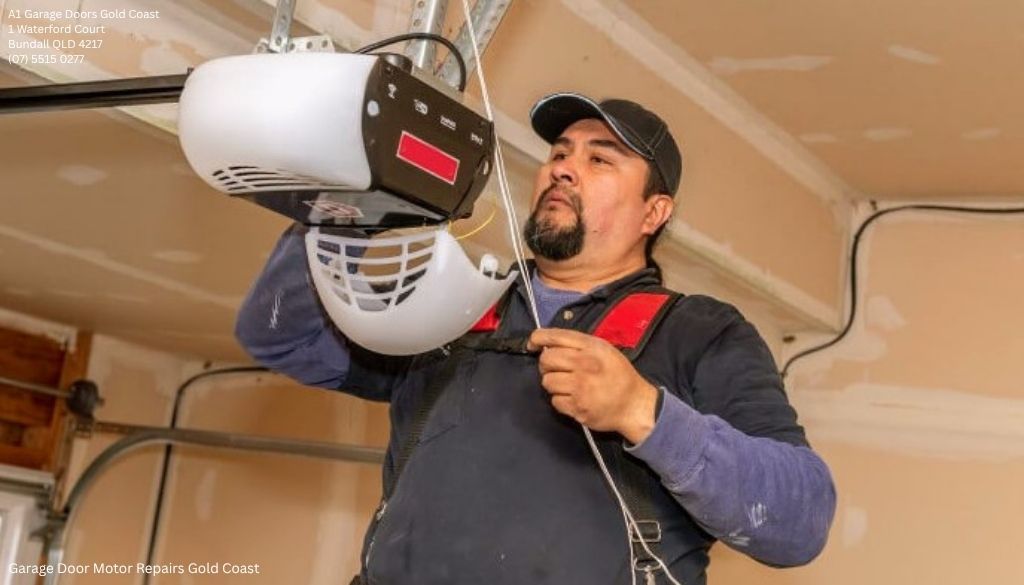
This is one of the factors "just how to fix a garage door" is not always an easy do it yourself inquiry. The noticeable trouble and the concealed cause are usually various. A door that barely relocates may include the springtime system, the cable television path, the track positioning, or the opener's drive setting up. Those components are under stress and must be dealt with thoroughly. Attempting to require the door open can make a negative circumstance worse.
The safer action is to stop using the door, note exactly what occurred, and set up an assessment before the opener burns itself out. If the door is needed for day-to-day use, that is the sort of concern that can quickly turn into emergency repair work. If serious climate is on the horizon, it becomes more than a comfort issue. It becomes part of home resilience.
The door reverses or quits unexpectedly
A door that begins closing and then reverses, or opens up partway and stops, is typically blamed on the opener controls. Often the sensing units are misaligned or blocked. Often the limit settings are off. However the motor can also activate a quit when it senses uncommon resistance. That resistance may originate from a bent track, a sticky roller, an obstruction, or a door that is no more balanced.
In useful terms, this is where property owners can catch a bigger trouble early. A turning around door is not always a bad door, but it is a door that is telling you the system is not acting usually. Even if it seems to recoup on the following shot, repeated turnarounds must not be shrugged off.
The risks are greater in seaside and storm-prone settings because a door that currently struggles in typical problems may not stand up well when stress climbs. Queensland readiness guidance is clear that garage doors need to be compliant and correctly rated for wind stress, or otherwise sustained by a supporting system when cyclones approach. A door that is already acting unevenly ought to be examined long prior to storm cautions arrive.
What home owners can securely observe without taking risks
There is a valuable line between observing a trouble and attempting to repair one. Home owners do not require to dismantle an opener to catch warning signs early. They just need to take notice of modifications. The door must look balanced, relocate uniformly, and resolve extension spring repair easily. If it is beginning to drift, jerk, or sound various, that is information worth acting on.
A fast visual check can reveal a whole lot. Seek spaces around the door edges, worn seals, loosened equipment, or damages that suggests the door is not shutting tightly. Queensland and regional preparedness support both stress checking seals and door frameworks as part of preserving the home envelope. Those information matter since they impact more than comfort. They affect exactly how well the garage opening withstands weather, dust, and water invasion, and they impact the strain placed on the motor each time the door cycles.
You do not need to wait on a total failing best garage door repairs near me to call a specialist. Actually, the best time to set up solution is when the door is still running yet clearly not running well. That is the home window when fixings are usually easier, safer, and extra affordable than waiting on the opener to stop working under load.
Storm readiness changes the way these symptoms matter
On the Gold Shore, a garage door motor issue is not just an inconvenience issue throughout storm season. It can end up being a strength problem. Queensland advice continuously worries preparing homes before tornados and cyclones, securing openings, and remaining tuned to warnings. Garage doors belong to that preparation because they are one of the largest moving openings in the house.
This is where electric motor signs and symptoms and storm prep intersect. If the opener is weak, noisy, or unreliable, the door might not be in good condition for severe weather. If the door does not close cleanly, if the seals are put on, or if the opener is battling, then the whole assembly deserves focus before storm period increases. Replacing a non-compliant or badly executing garage door can boost cyclone durability, and main product notes that a failing can harm close-by structural elements. That is not an academic issue. It is the type of fixing costs that gets here after the worst possible timing.
For homeowners garage door resource with roller doors, sectional doors, or tilt doors, the very same principle applies. The style may differ, yet the need coincides: the door should close properly, stand up under wind pressure, and function dependably enough that you are not finding its weak points while an extreme tornado is approaching.
When emergency situation repair work make sense
There are times when waiting is the wrong call. If the door will not shut at all, will certainly closed in all, makes an unexpected loud mechanical failing noise, or leaves the home subjected, after that emergency situation repairs may be the appropriate step. That is especially real if the garage is the primary entrance point or if severe weather is close.
Emergency job is not suitable, because it is often more stressful and less versatile than planned maintenance. However it is occasionally the only practical action when safety or weather condition direct exposure goes to stake. Queensland protection guidance also acknowledges the importance of safe closing and locking systems in proper applications, which strengthens a useful factor home owners currently recognize: a garage door that can not be depended close appropriately is a problem that affects the whole property.
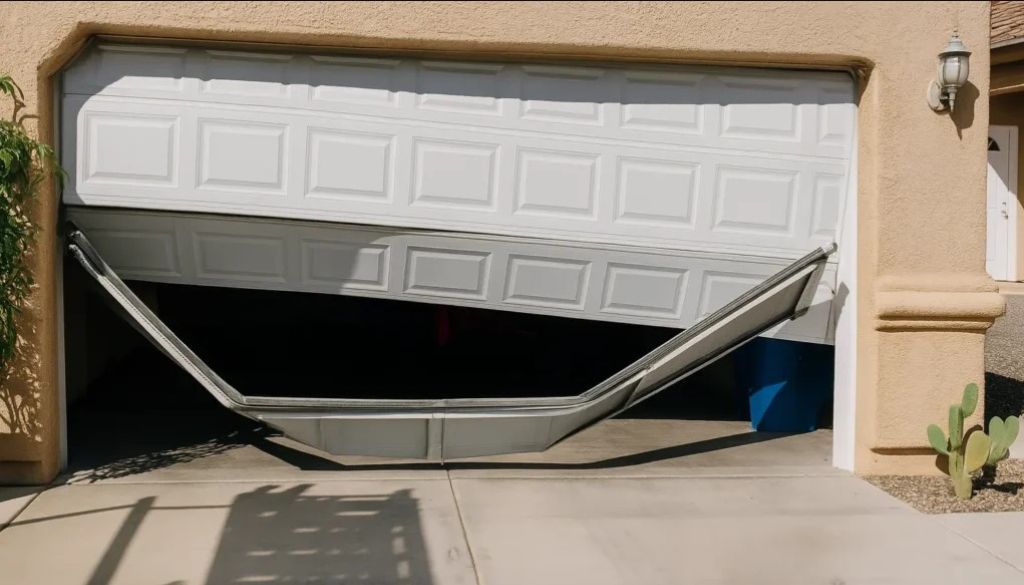
The goal is to prevent getting to that point. An electric motor that is serviced before failing, a door that is evaluated before storm season, and worn components that are changed before they break are all better results than a late-night break down with rain coming in or winds picking up.
Preventive upkeep that actually helps
Preventive maintenance for garage doors does not require to be made complex, however it does need to be regular. A seasonal check is typically enough for many houses, particularly if the door is made use of several times a day. The factor is to capture change early, not to wait till the opener seems dramatic.
The most useful upkeep usually concentrates on the fundamentals: maintaining the tracks clear, making certain the door closes equally, inspecting the seals and framework, and listening for brand-new sounds. It is also worth examining the door's habits a few times when there is no pressure to leave the house swiftly. A door that just discloses its doubt when you are hurrying is currently telling you it requires attention.
In storm-prone areas, that maintenance has a 2nd returns. A well-kept garage door is much less most likely to stop working when severe climate preparations start, and much less most likely to come to be the weak point that generates damage to the remainder of the home. That is why a little upkeep prior to summertime storms can save far more than a repair work phone call later.
A useful homeowner's habit
The best habit is basic. Notification the door when it is regular, so the unusual sticks out. If you can keep in mind exactly how fast it typically opens up, exactly how it sounds, and how it rests when closed, you will certainly catch adjustments earlier. Keep an eye on the electric motor's behavior after warm, after heavy use, and prior to tornado season. Tiny shifts in audio, speed, or consistency are the early clues.
That type of interest does not replace specialist maintenance, and it does not turn a house owner into a specialist. It just shortens the time between the first indicator of difficulty and the ideal reaction. That difference can be the gap in between a routine service visit and emergency situation fixings. It can also be the distinction between a garage that is ready for severe climate and one that comes to be a liability when the projection turns serious.
A garage door electric motor ought to not require constant thought. When it begins to do so, it is usually requesting assistance. Catching that very early is the most intelligent sort of maintenance, because it shields the motor, the door, and your home around it.